
Older Bellaire homes often share a common frustration during the cooling season: a lingering musty smell from the AC every time the system turns on. Many homeowners assume this is just part of owning an older home.
In reality, a musty smell coming from AC systems is rarely harmless. It often signals trapped moisture, airflow problems, or hidden contamination inside the HVAC system. Understanding whether the odor is temporary or persistent helps protect indoor air quality, system efficiency, and long-term comfort across Bellaire’s humid climate.

Musty Smell Coming From the AC: Know the Reasons
Bellaire neighborhoods include many homes built with older duct materials, insulation standards, and vapor barriers that were not designed for today’s humidity loads. When warm, humid air meets cooled HVAC components, moisture becomes trapped inside the system. That trapped moisture creates the perfect environment for microbial growth, which is the most common reason homeowners notice a musty smell coming from AC vents.
Moisture and Mold: The Primary Cause of Musty Smell From AC Vents
Air conditioners naturally remove moisture from indoor air. Condensation forms on evaporator coils, collects in drain pans, and can accumulate inside duct interiors. When moisture does not drain properly, microbial growth follows. According to the EPA, “mold thrives on damp surfaces inside HVAC systems when moisture is present for extended periods.” (Source: EPA Indoor Air Quality Guide)
A musty smell from AC units after long periods of inactivity can occur as residual moisture evaporates. A persistent musty smell from AC vents, especially during every cooling cycle, is a red flag that moisture is being trapped continuously.
Dirty Evaporator Coils and Drainage Failures
Clogged condensate drain lines allow standing water to remain inside the air handler. Over time, bacteria and organic buildup form biofilm layers that release odors when the blower runs. According to ACCA’s Quality Maintenance of Residential HVAC Systems, “routine maintenance should include cleaning key components and addressing drainage-related issues to prevent moisture problems that can contribute to odors and reduced performance.” (Source: ACCA Residential Maintenance Guidelines)
Ductwork Issues: Hidden Sources of Odor
Leaky return ducts can pull air from attics or crawl spaces, carrying dust, insulation fibers, and moisture back into the system. In older homes, duct insulation itself may be contaminated. DIY duct cleaning often fails because it does not address leaks, moisture sources, or damaged insulation.
Energy Efficiency Decline and Odor Correlation
Restricted airflow increases moisture retention on coils and inside ducts. This not only causes a musty smell from the AC but also reduces SEER performance, increases energy consumption, and accelerates equipment wear. Ignoring these odors can lead to mold exposure, higher bills, and premature system failure.
How to Get Rid of Musty Smell From AC
Fixing a musty odor requires matching the solution to the root cause. If you are searching for how to stop an AC from smelling musty, the fastest path is identifying where moisture is being trapped, because guesswork often makes the problem worse.
Immediate Homeowner Checks (What’s Safe and What’s Not)
Replace air filters using a MERV rating appropriate for Texas homes, typically between 8 and 11, especially if you notice a musty smell from the AC unit when airflow first starts. Inspect visible supply vents for dust or surface mold. Avoid chemical fogging or ozone treatments, which can damage components and create safety risks.
Professional Diagnostics That Actually Work
Licensed technicians evaluate odor problems through targeted inspection and testing. This includes evaporator coil cleaning, drain pan and line flushing, static pressure testing, duct leakage testing, and moisture mapping inside the system. These steps identify where moisture is entering and why it is not leaving.
Advanced Solutions to Stop AC From Smelling Musty
UV germicidal lights can reduce microbial growth when moisture control is already addressed. Duct sealing and insulation upgrades prevent humid attic air from entering the system. Variable-speed blowers improve humidity removal, and whole-home dehumidification provides additional control in Bellaire’s climate when standard cooling alone is insufficient. Making these upgrades one of the most effective long-term ways to stop an AC system from smelling musty.
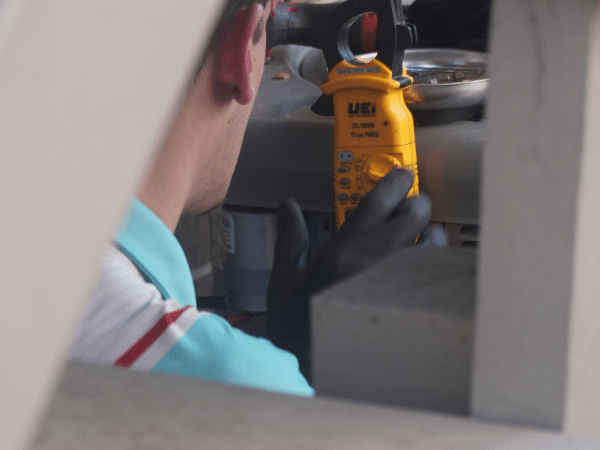
Expert Solutions for Musty Smell From AC Vents
In a Google review, Samuel Leake described dealing with two aging AC systems in an older home that had persistent odor and efficiency issues. He noted that previous service left him “stuck with the same old unit with a musty smell and no insulation in the air handler closet.” Working with Bellaire Air Conditioning, technician Andrew explained repair versus replacement options, coordinated with the home’s contractor, and addressed construction-related challenges without surprise costs.
Samuel shared that the new system was much quieter, resolved the odor issue, and came with a ten-year parts and labor warranty, adding that he “couldn’t be happier.”
Is Your AC Smelling Like a Locker Room? Let’s Fix That Today
A musty smell from the AC is not something you should ignore, especially in older Bellaire homes. Bellaire Air Conditioning is locally owned, responsive, and known for clear communication and dependable results. From detailed diagnostics to long-term humidity control solutions, our team delivers reliable Houston AC services tailored to your home.
Call us or schedule online to get expert help today.
FAQs
Is a musty smell from the AC dangerous?
It can be caused by mold or bacteria, which may affect indoor air quality and respiratory health.
Why does the smell get worse when the AC first turns on?
Odors often intensify when moisture on coils or in ducts is disturbed during startup.
Can changing the air filter stop the smell?
Filters help, but rarely fix the problem if moisture or mold is already present.
Do UV lights always work for musty AC smells?
They work best when combined with proper drainage, airflow, and humidity control.
Should older ductwork be replaced or cleaned?
Cleaning helps in some cases, but damaged or contaminated ducts often need repair or replacement.